
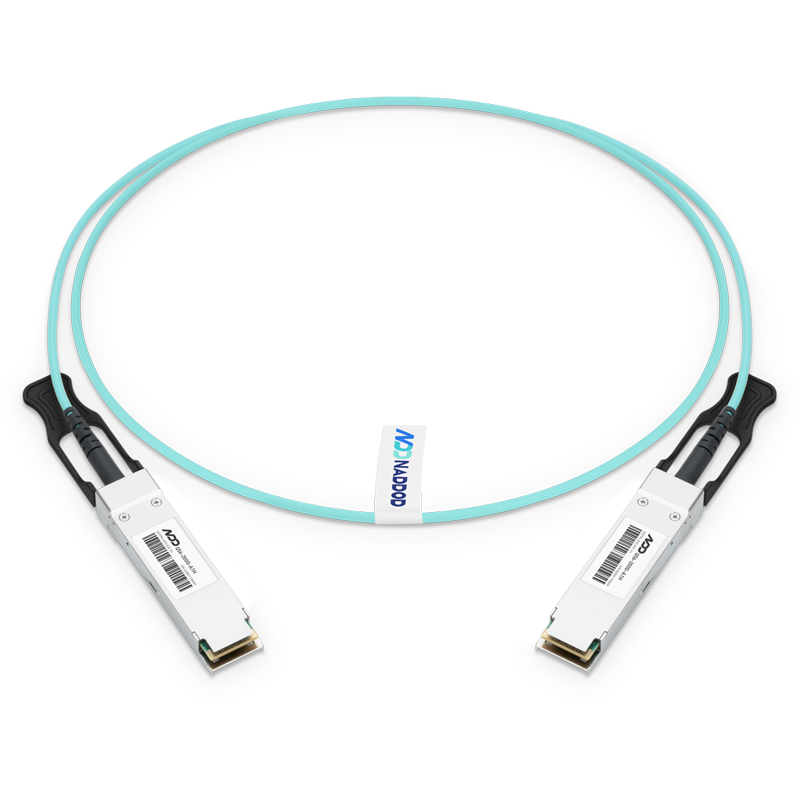
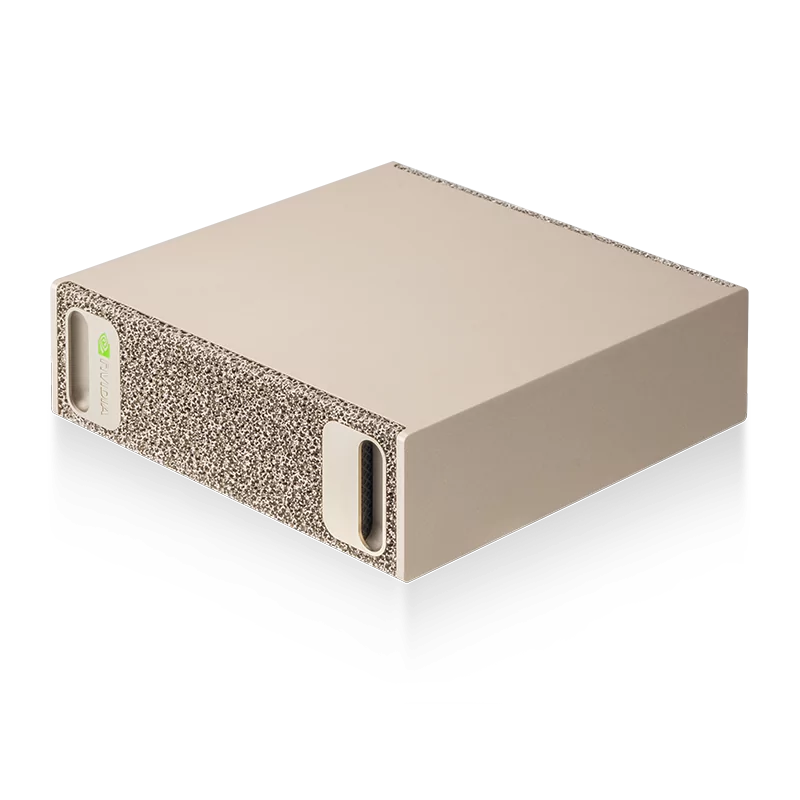
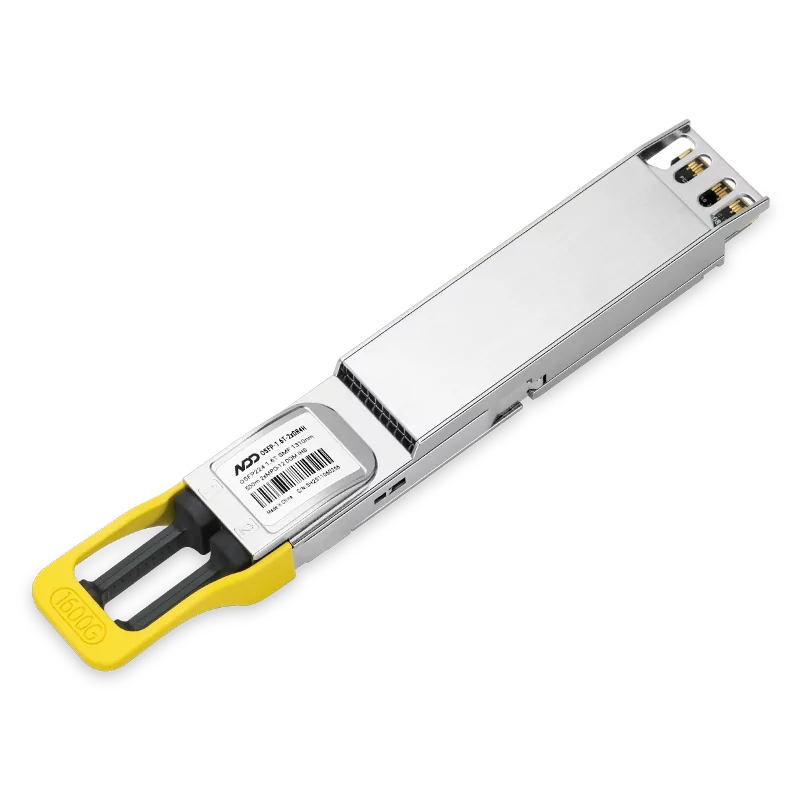
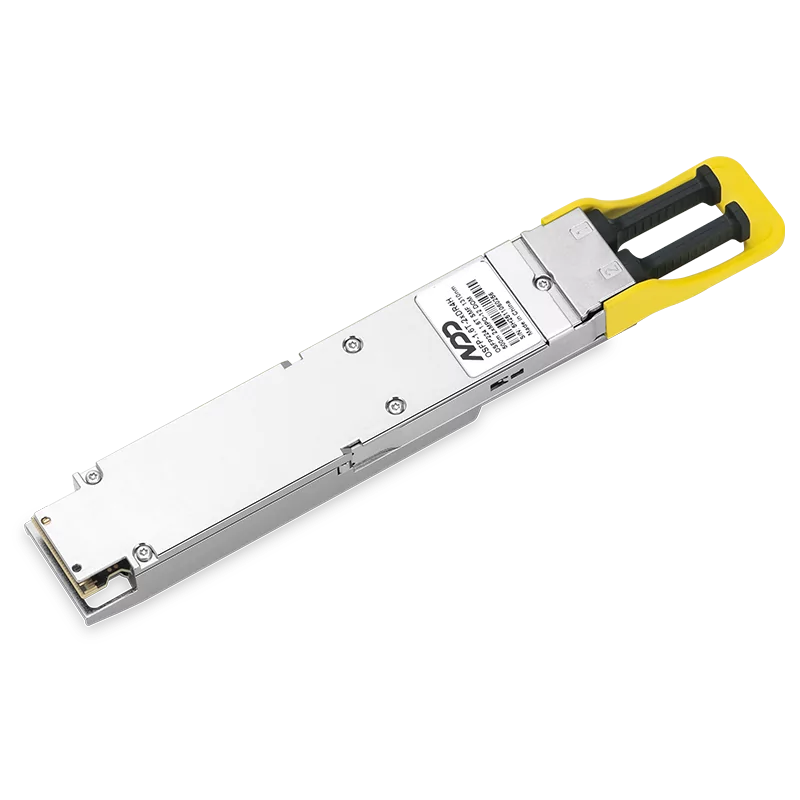
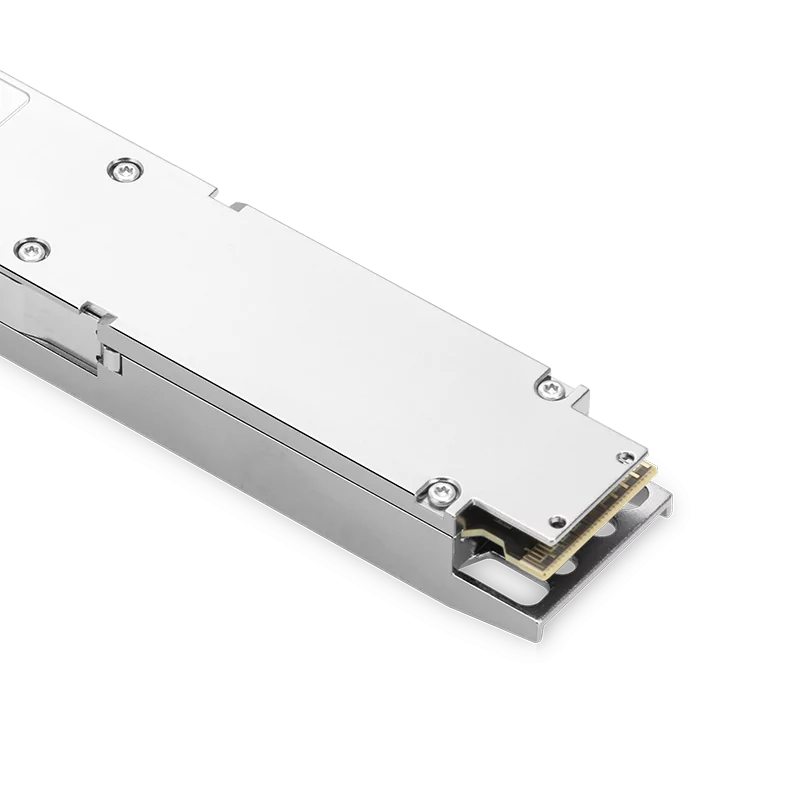
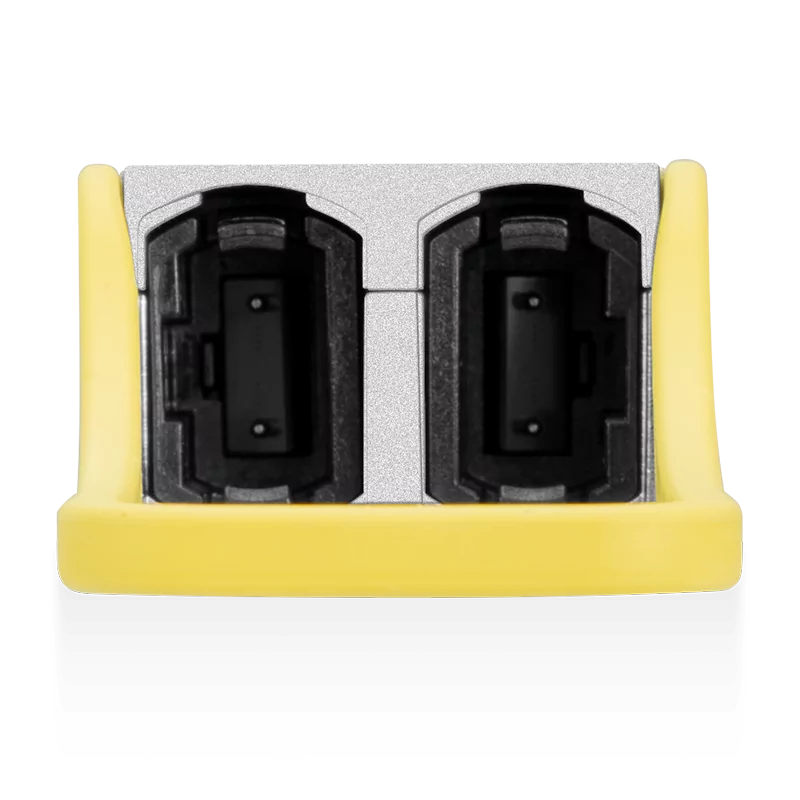
NVIDIA/Mellanox MMS4A00-XM (980-9IAH1-00XM00) Compatible 1.6T 2xDR4/DR8 OSFP224 PAM4 Broadcom 3nm DSP 1310nm 500m DOM Dual MPO-12/APC InfiniBand XDR Silicon Photonics Transceiver Module for SMF (IHS/Closed Finned Top)

#102514
Model: OSFP-1.6T-2xDR4H | SKU: 980-9IAH1-00XM00
Sold: 252
In Stock: 16
$
Brand:
NADDOD (InfiniBand)
NADDOD (InfiniBand)
Chip Solutions:
Broadcom 3nm DSP
Broadcom 3nm DSP

Item Spotlights

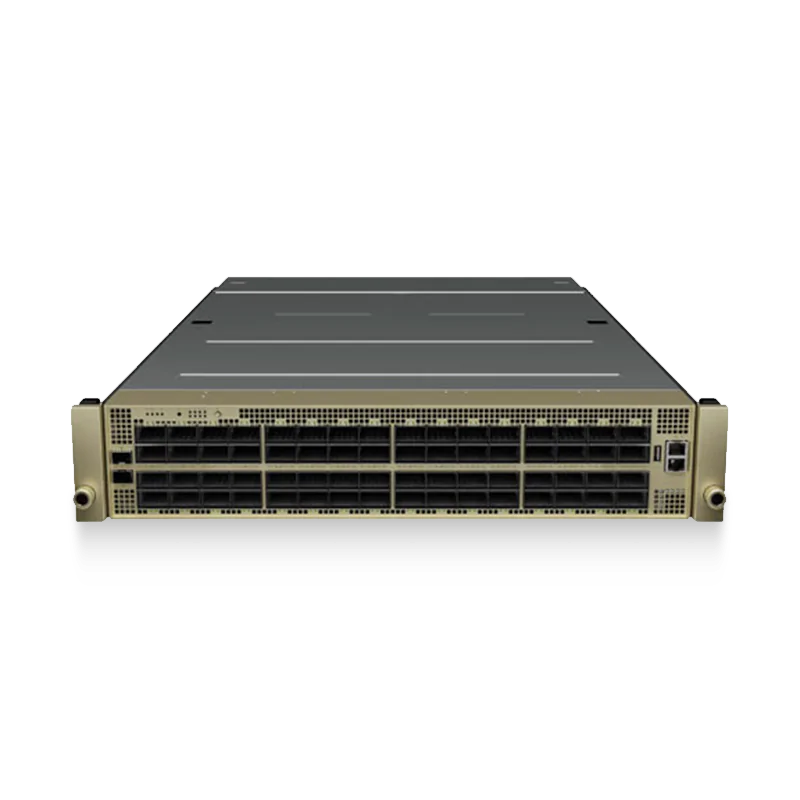
  • 100% verified by the original, perfectly compatible with NVIDIA Quantum-X800 Q3400-RA XDR switch devices.
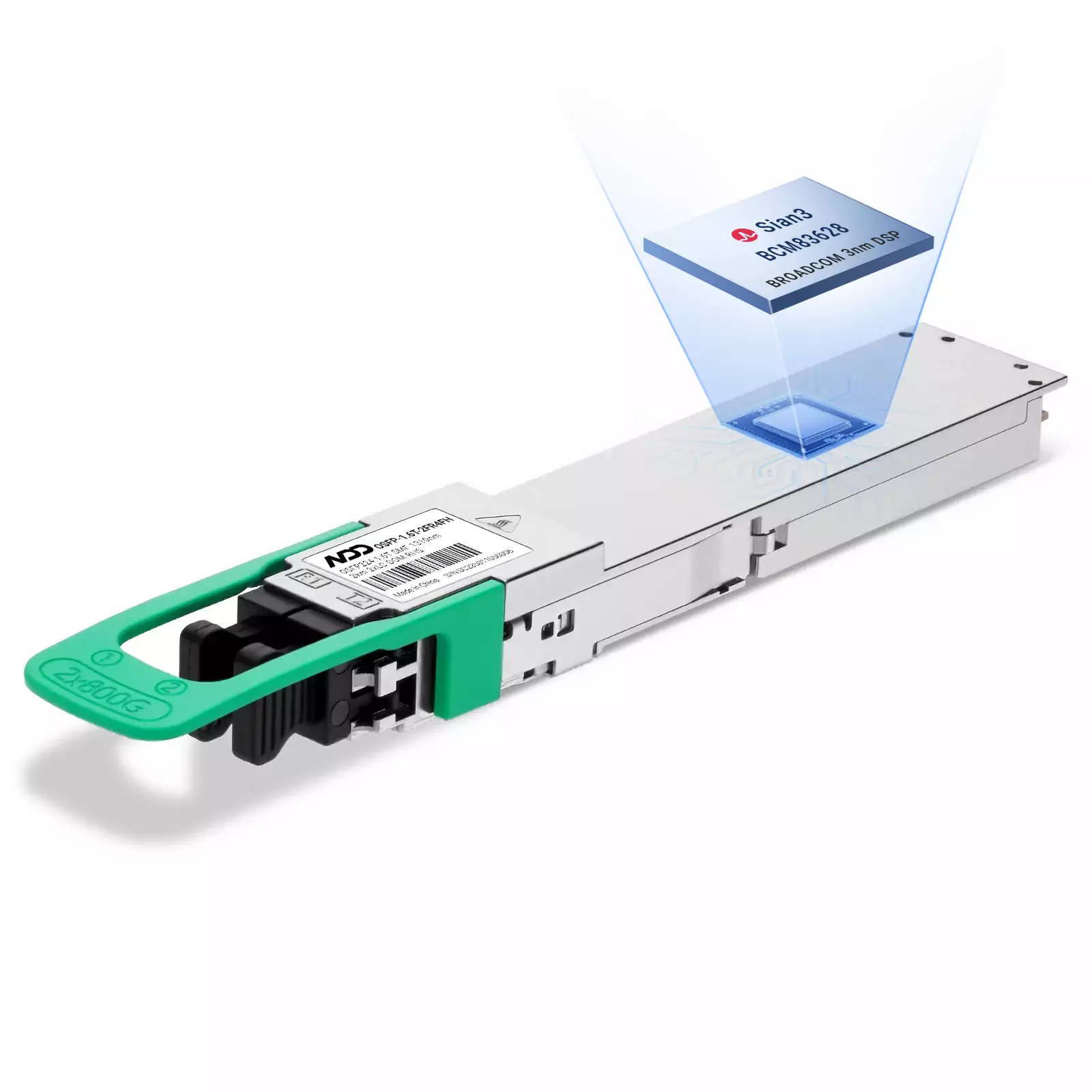
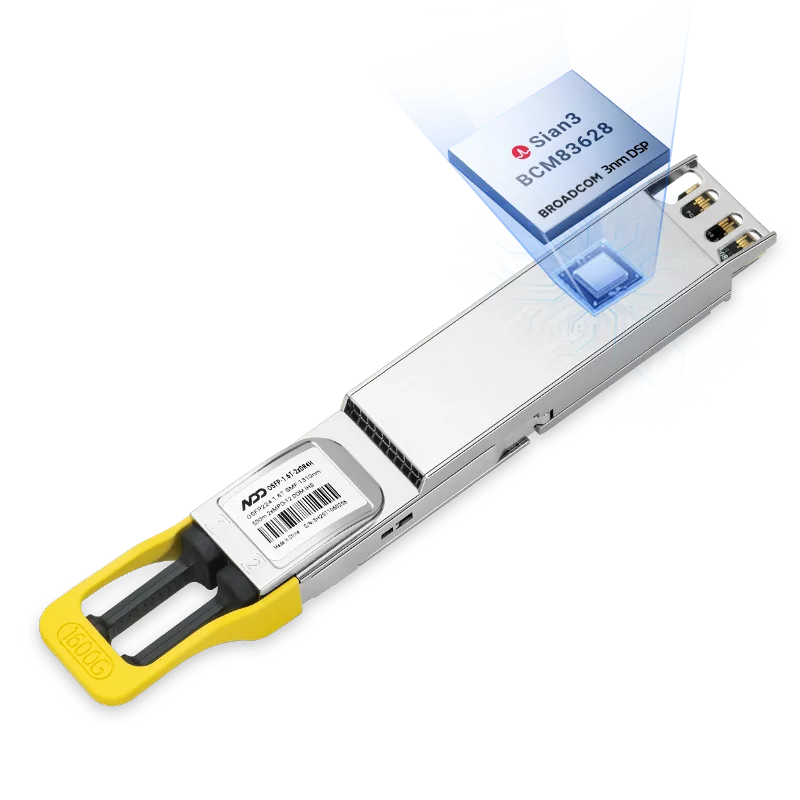
  • Built-in Broadcom 3nm DSP and self-developed silicon photonics chip.
  • Maximum power consumption ≤25W.
  • 8x 200G-PAM4 electrical modulation.
  • Compliant with OSFP MSA, IEEE 802.3dj_D1.1 protocol and CMIS 5.2.
  • 30-Day Free Return, 1-Year Free Replacement, 3-Year Warranty, Lifetime After-sales Technical Support.
1.6T 2xDR4/DR8 OSFP224 MMS4A00-XM PAM4 1310nm 500m InfiniBand XDR Silicon Photonics Transceiver for Mellanox(SMF, Closed Finned Top)
NVIDIA/Mellanox MMS4A00-XM (980-9IAH1-00XM00) Compatible 1.6T 2xDR4/DR8 OSFP224 PAM4 Broadcom 3nm DSP 1310nm 500m DOM Dual MPO-12/APC InfiniBand XDR Silicon Photonics Transceiver Module for SMF (IHS/Closed Finned Top)
Specifications
Applications
Product Highlights
Videos
Questions & Answers
Resources
Specifications
Applications
Product Highlights
Videos
Questions & Answers
Resources

Description

NVIDIA/Mellanox MMS4A00-XM (980-9IAH1-00XM00) Compatible 1.6T 2xDR4/DR8 InfiniBand XDR Silicon Photonics Optical Transceiver Module (Twin-port OSFP224, Broadcom 3nm DSP, 1310nm, 500m (OS2) , Dual MPO-12/APC, DOM, SMF, IHS/Closed Finned Top)

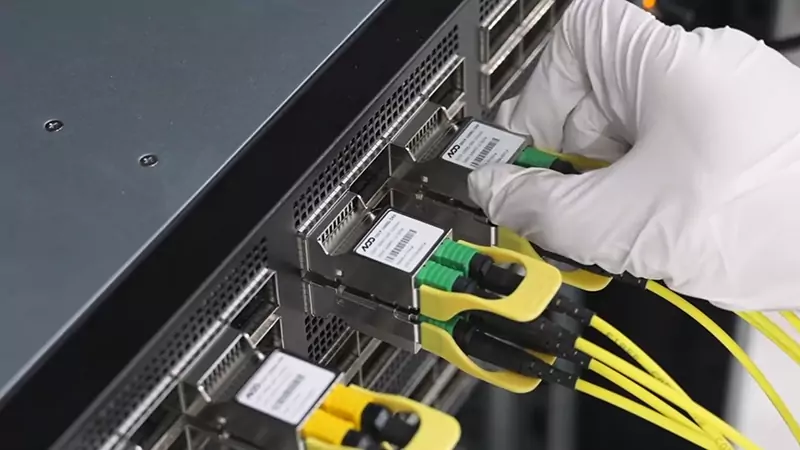
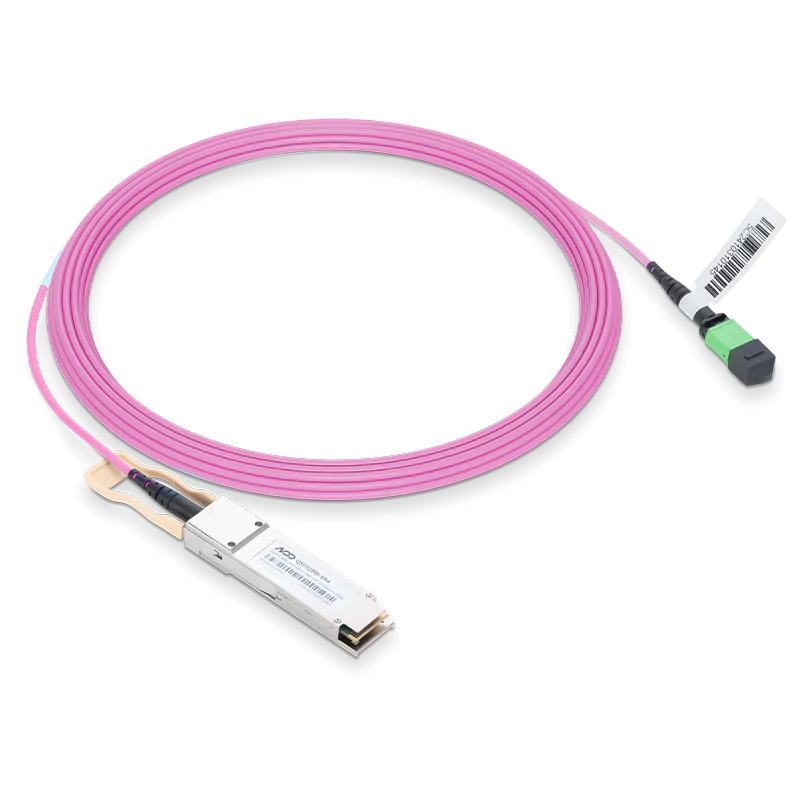
NADDOD OSFP-1.6T-2xDR4H Optical Transceiver is an InfiniBand and Ethernet 1.6Tb/s 2x800Gb/s Twin-port OSFP224, 2xDR4/DR8 single mode, Silicon photonics-based, parallel, 8-channel transceiver using two, 4-channel MPO-12/APC optical connectors at 800Gb /s each. The parallel single mode, data center reach 8-channel (2xDR4/DR8) design uses 200G-PAM4 modulation and has a maximum fiberreach of 500-meters using 8 single mode fibers. The main application for OSFP-1.6T-2xDR4H is linking two switches together with up to 500 meters.

Specifications

Form Factor
OSFP224
Distance
500m
Wavelength
1310nm
Connector
Dual MPO-12 /APC
Power Consumption
≤25W
Transmitter
DFB (SiPh Based)
Receiver
PIN (SiPh Based)
Media
SMF
Modulation (Electrical)
8x212Gb/s PAM4
Modulation (Optical)
Two ports 4x212Gb/s PAM4
Case Temperature (℃)
0~70°C (32 to 158°F)
Protocol
IB XDR, 1.6T Ethernet Compliant

Applications

Product Highlights

Broadcom 3nm DSP & NADDOD SiPh: Setting a New Benchmark for Next-Gen XDR Network

Leveraging the synergy between Broadcom's 3nm DSP and self-developed silicon photonics chip, the 1.6T transceiver is designed for XDR networks. Tested with the NVIDIA Quantum-X800 Q3400-RA switch, it delivers low power consumption of 25W, a BER of 5E-14, and seamless compatibility with ConnectX-8 NICs (C8180/C8280U). Supporting CX8-equipped servers such as DGX GB300/B300 and HGX B200 for high-speed interconnects, it scales from small-to-medium AI inference/training nodes to large AI factory-class clusters, setting a new performance benchmark for 1.6T XDR interconnects.

Cluster-Scale Energy Efficiency Leap: Accelerating AI Training

NADDOD’s XDR solution featuring the 1.6T transceiver boosts cluster energy efficiency through high bandwidth density and an optimized link architecture. In a 512-node AI cluster, this solution cuts ~ 7 racks (assuming a 20kW, 42U rack configuration) compared to NDR solution, saving 130.4kW (≈ 16–26 GPU servers’ power). Overall, it reduces data center operational costs, simplifies cabling, enhances space utilization, and enables flexible scaling—delivering efficient, sustainable connectivity for next-gen AI data centers.

3nm Stable Supply & Multi-Route Chip R&D: Ensuring Reliable 1.6T Transceivers with Scalability

Amid the global XDR chip shortage, NADDOD leverages Broadcom's stable supply of 3nm DSPs to reliably deliver 1.6T transceivers in bulk. We also strengthen chip R&D: Our self-developed silicon photonics (validated for key performance) enables easy mass production thanks to its high level of integration, providing customers with more competitive costs and reliable delivery. Meanwhile, we deploy the EML technology route, offering greater flexibility in chip selection to support product iteration and large-scale deployment for 1.6T/3.2T and future AIDC scenarios.

Why NADDOD

  • Module Availability
    Worry-Free - Rigorous authentic testing!
  • Multi-version Device Compatibility
    Multi-Version - Easy adaptation for each module!
  • High-Performance
    Actual Test Data-Better results intuitively!

Our Approach

Test scene
Test scene
NADDOD stringently selects a series of items in a professional testing environment to ensure the perfect blend of product performance and reliability. Including hardware compatibility (plugging, unplugging, rebooting), software compatibility (connectivity, parameters) and performance testing (DDM, BER, stability).
Test result
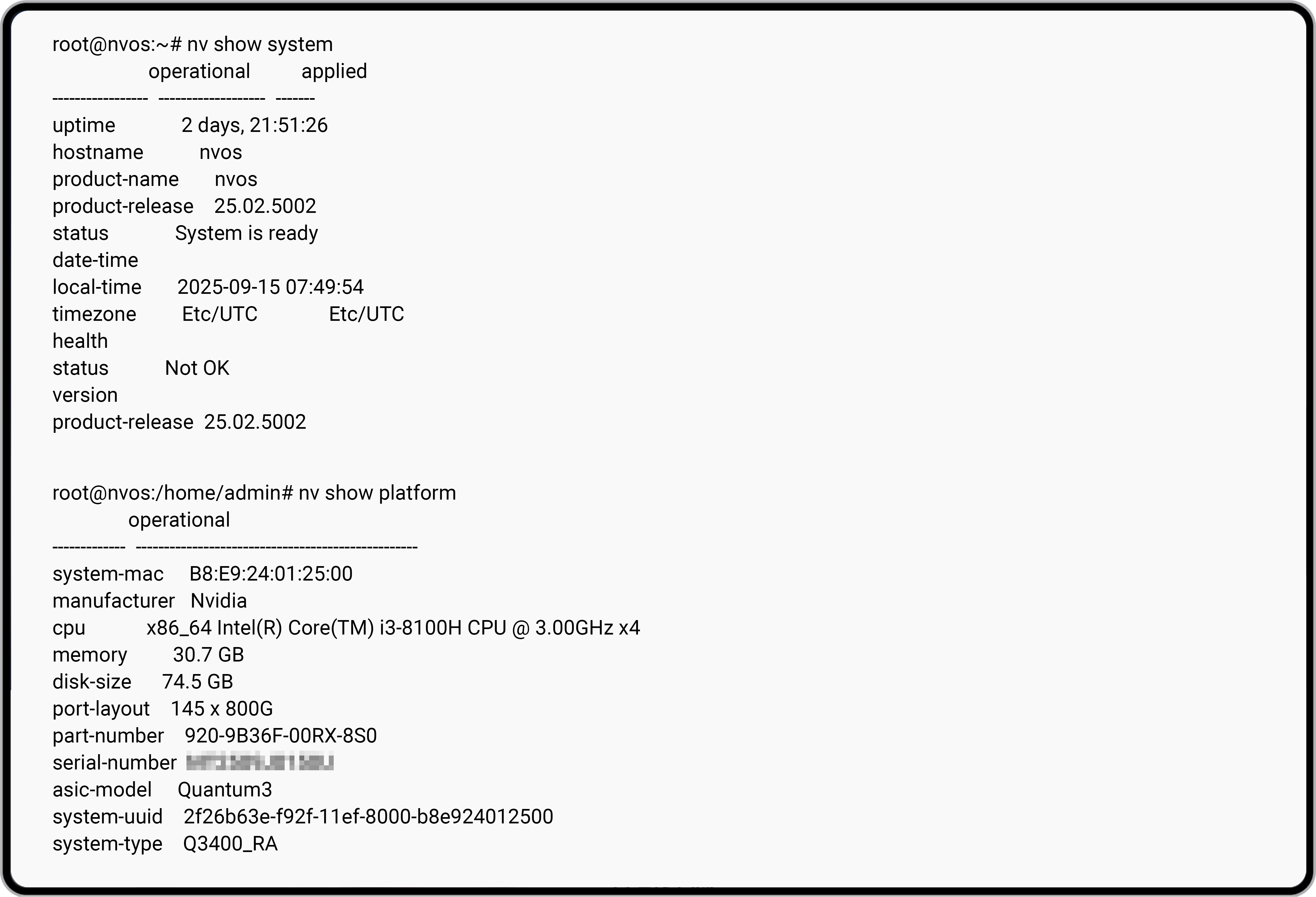
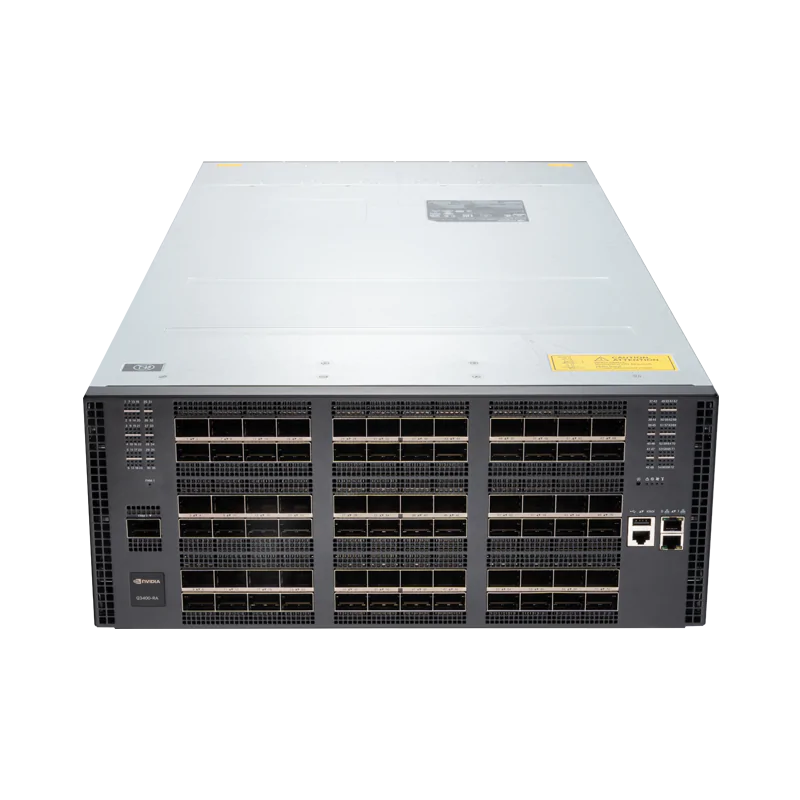
NVIDIA Quantum-X800 Q3400-RA XDR Switch
Software version: 25.02.5002
  • Multi-Version
    Switch Side Testing
    Multi-Version  Testing
    No matter the device version, the optical modules are rigorously tested to ensure seamless integration with various hardware and software versions.
  • Connectivity
    Switch Side Testing
    Connectivity  Testing
    The module can connect to both devices normally, and the device port status is up.
  • BER
    Switch Side Testing
    BER  Testing
    Tests REAL-TIME BER to ensure the accuracy of data transmission under high load conditions.
Test result
Test result
Test result

Questions & Answers

Ask a Question
Q:
What’s the difference between EML and SiPh in optical modules?
A:
EML offers high stability and mature manufacturing, making it ideal for long-reach transmissions. SiPh, by contrast, is known for its low power consumption and ultra-low latency, making it a strong fit for high-density AI cluster deployments. These two approaches differ significantly in chip architecture, modulation methods, and application priorities.For a deeper look into how they compare and where each excels, check out our technical blog on ( EML vs. SiPh).
Q:
What’s the difference between 3nm and 5nm DSP in optical modules?
A:
3nm DSP offers lower power consumption and represents the latest technology. However, 5nm is more widely adopted, providing mature performance and shorter lead times.
Q:
Is the IB 1.6T 2xDR4 OSFP224 silicon photonics optical module compatible with the NVIDIA QM9700 switch?
A:
No, because there is a mismatch in the serdes rates. The QM9700 has an 8x100G serdes, where as the 1.6T 2xDR4 module has an 8x212G serdes, making it incompatible for use.
View More

Quality Certification

ISO140012015
ISO 90012015
ISO450012018
FDA
FCC
CE
RoHS
TUV-Mark
UL
WEEE

What We Supply